Wholesale Stocklot Clothing Guide: How to Source Surplus Apparel
Wholesale Stocklot Clothing Business Guide for Beginners
Starting a clothing business can be exciting, but sourcing inventory at affordable prices is often the biggest challenge. For beginners, buying stocklot clothing is one of the smartest ways to enter the market. Stocklots are bulk quantities of unsold, overstocked, or returned apparel sold at deep discounts. This guide walks you through everything you need to know to launch successfully in the wholesale apparel industry using surplus clothes.
What Is Stocklot Clothing?
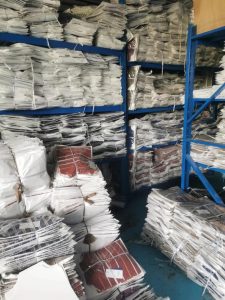
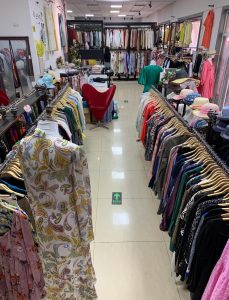
Stocklot clothing refers to large lots of garments that retailers, manufacturers, or distributors need to clear out quickly. These could be end-of-season items, cancelled orders, overruns, or customer returns. Because sellers want to move them fast, prices are drastically reduced—often 50-80% below original wholesale costs.
Key characteristics of stocklots:
Sold in bulk (typically dozens to thousands of pieces)
May include mixed sizes, styles, or brands
Often unorganized or unsorted
Can be brand new, slightly imperfect, or pre-owned
Prices are negotiable based on volume
Why Start with Wholesale Apparel Stocklots?
Buying wholesale apparel in stocklot form offers several advantages for beginners:
Low startup costs – Your initial investment can be as low as $500–$2,000.
High potential margins – Selling individual items at retail can yield 3x–5x returns.
Learning opportunity – You gain hands-on experience with inventory, pricing, and customer preferences without huge risk.
Flexible channels – Sell online via eBay, Poshmark, or your own site, or at flea markets and pop-up shops.
How to Source Surplus Clothes
Finding reliable suppliers is the most critical step. Here are the best sources for surplus clothes:
1. Wholesale Stocklot Distributors
These companies specialize in buying excess inventory and reselling it in lots. Look for distributors with transparent descriptions, clear photos, and honest grading systems. Popular options include platforms like www.cnstocklot.com and B-Stock.
2. Direct from Retailers
Large retailers like Target, Walmart, and Nordstrom occasionally sell their overstock through private liquidation partners. You can apply to become a buyer.
3. Manufacturer Closeouts
Factories often have overruns or cancelled orders they need to offload. Contact garment manufacturers directly and ask about stocklot purchases.
4. Online Marketplaces
Websites like Wholesale Central and Alibaba connect you with suppliers worldwide. Always request samples and check reviews before buying large quantities.
Types of Stocklot Clothing You’ll Encounter
Understanding grading systems helps you avoid surprises. Common categories include:
Grade A – New with tags. Minor or no defects. Best for retail.
Grade B – New without tags or with slight defects like loose threads. Good for discount sales.
Mixed grades – Variety of conditions. Requires sorting but offers lower per-unit cost.
As-is/pallet lots – Unchecked, sold by weight or visual estimate. Risky for beginners.
Tips for Buying Wholesale Apparel Stocklots
Follow these best practices to minimize losses and maximize profits:
Start small. Buy one or two small lots to test the market before committing thousands.
Know your niche. Focus on categories like women’s tops, children’s wear, or activewear where you understand sizing and demand.
Inspect carefully. If possible, view inventory in person or request detailed photos and defect lists.
Calculate true costs. Factor in shipping, sorting, cleaning, and listing fees when pricing items.
Verify authenticity. Counterfeit goods can lead to legal trouble and platform bans. Stick with reputable suppliers.
Setting Up Your Business
Once you have inventory, you need a plan to move it.
Choose Your Sales Channel
Channel Pros Cons
eBay/Poshmark Large audience, built-in shipping High fees, competition
Your own website Full control, higher margins Requires marketing effort
Flea markets Cash sales, low startup Weather-dependent, labor intensive
Social media Free exposure, viral potential Time-consuming to build following
Price Your Items
A simple formula: Retail price = (Cost per item × 3) + fees. For example, if a shirt costs you $1.50, aim to sell it for $4.50–$7.00 depending on condition and brand.
Manage Inventory
Sort stocklots by size, style, and condition immediately. Use inventory management software or simple spreadsheets to track what you have and what sells.
Common Mistakes to Avoid
Beginners often fall into these traps:
Buying too much too soon – Even great deals become losses if you can’t sell them.
Ignoring seasonality – Winter coats in July won’t move fast.
Skipping quality checks – One bad lot can wipe out your profit.
Underestimating work – Sorting, cleaning, photographing, and listing takes significant time.
Final Thoughts
The stocklot clothing business offers a realistic entry point for anyone wanting to sell wholesale apparel without a huge budget. By sourcing surplus clothes wisely, starting small, and focusing on reliable sales channels, you can build a profitable operation over time. Treat each lot as a learning experience, keep your overhead low, and reinvest profits as you grow.
With patience and smart sourcing, your stocklot journey can turn into a sustainable business. Start exploring suppliers today—your first lot is waiting.